情圣
China's factory-built buildings find growing markets overseas_我的网站

A | 据龙芯中科官方消息,2022年9月初,UEFI官方组织在新发布的UEFI v2.10规范中,全面支持了龙芯处理器的LoongArch64架构,以及部分LoongArch32架构。近期,龙芯团队又完成了LoongArch基础代码与UEFI上游TianoCore EDK2的合并,从而进入其主分支,成为继x86、Arm、RISC-V之后,第四个官方支持的芯片指令系统架构。
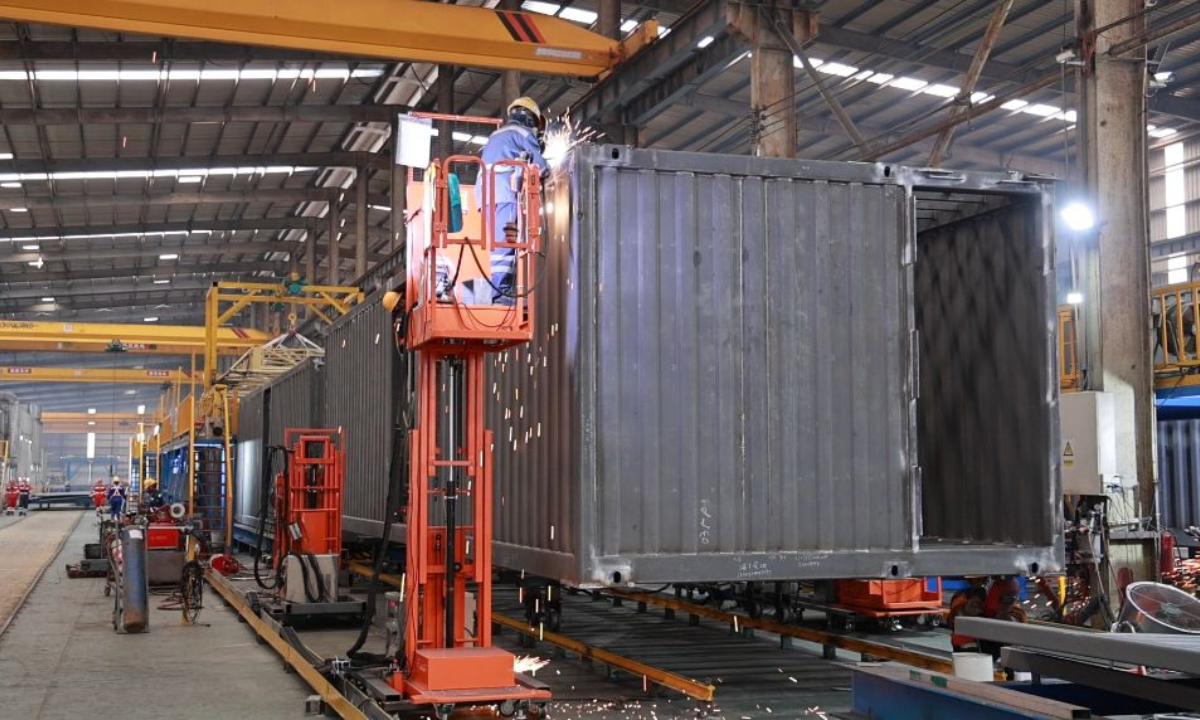
This photo taken on June 9, 2026 shows a workshop of Foshan Meizong Buildings Technology Co., Ltd. in Foshan, south China's Guangdong Province. (Xinhua/Huang Guobao)
A 19-story hotel in Brisbane was not a conventional construction project in Australia, much of it having already been built thousands of kilometers away, inside a factory in south China.
Its room modules arrived with walls, pipes, wiring and interior fittings largely completed, allowing the building to be assembled at a pace of roughly one floor every four to five days.
The project was delivered by Foshan Meizong Buildings Technology Co., Ltd., a firm based in the city of Foshan in Guangdong Province. It reflects a broader shift in the industry, with more work that once had to be done at a construction site now being completed on a factory floor.
Inside Meizong's workshop, automated cutters slice steel tubes to precise dimensions as workers weld structural joints. Assembly teams install wall panels and lay utility lines. In the finished-goods area, dozens of units stand ready for shipment, with kitchens, bathrooms, lighting and sockets already fitted.
More than 90 percent of the work can be completed in the factory, while delivery takes only about one-third of time needed for conventional construction, according to Pang Mingyuan, the company's general manager.
"Building a new home is like building with blocks," Pang said.
Modular housing is gaining acceptance in markets such as Australia and New Zealand, where conventional construction faces high labor costs, lengthy building cycles and weather-related disruptions, while housing remains scarce in some remote areas, Pang adds.
Foshan alone is home to more than 300 exporters of prefabricated buildings. Across the industry, modular structures are being used for hotels, dormitories and offices, while some manufacturers are branching into customized outdoor spaces.
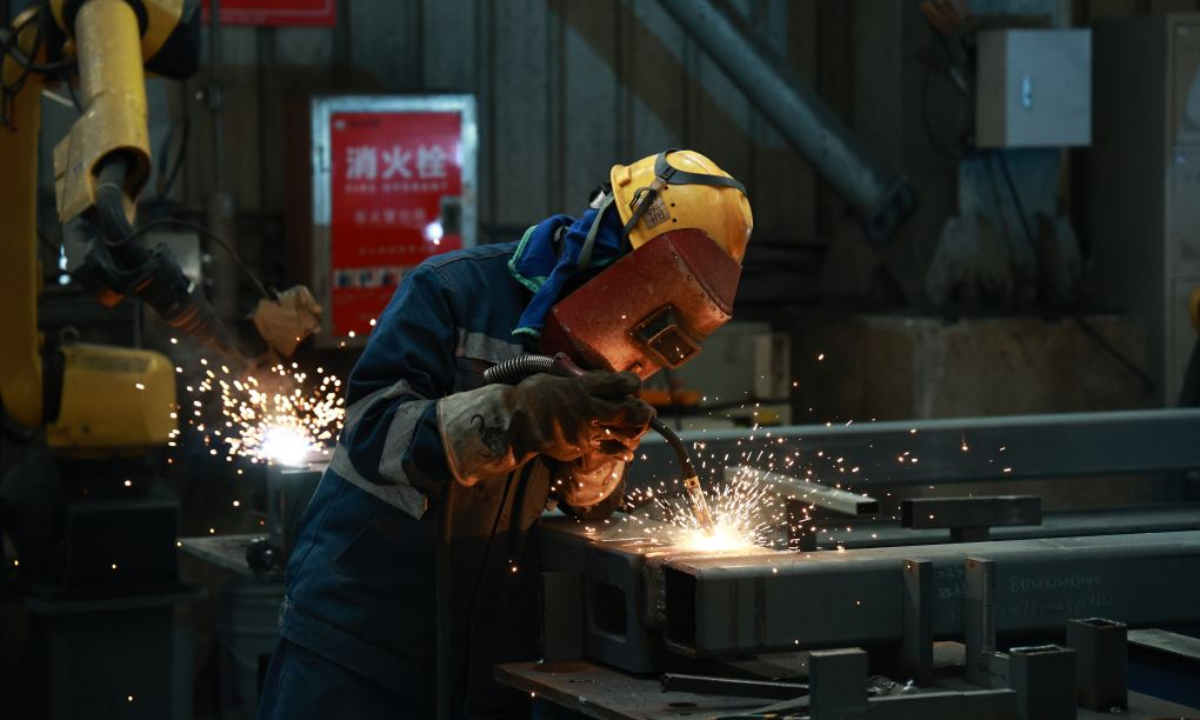
A worker welds structural joints at a workshop of Foshan Meizong Buildings Technology Co., Ltd. in Foshan, south China's Guangdong Province, June 9, 2026. (Xinhua/Huang Guobao)
At SunnyJoy Intelligent Technology Co., Ltd., the glass roof of a modular outdoor room slides open under electric power. Made up of 13 modules, the structure attracted attention at this year's 139th Canton Fair.
"Three adults can assemble it in two and a half hours by following an installation video," said Zhang Yong, the company's general manager.
The company's products sell well in North America and Oceania, while emerging markets in Africa and Southeast Asia are also growing rapidly. Social media has become an important source of overseas customers: SunnyJoy has built a following of around 10 million across domestic and overseas platforms, with online channels generating more than half of its customer inquiries.
Behind such products is the Pearl River Delta's manufacturing network. Zhang said a single outdoor structure can involve dozens of suppliers, with everything from frames and worktops to drive systems and lighting sourced within the region.
That proximity allows manufacturers to adjust designs, upgrade components and respond quickly to changing customer requests. As products become more integrated, companies are also expanding into higher-value offerings that incorporate solar glass, energy storage and intelligent control systems.
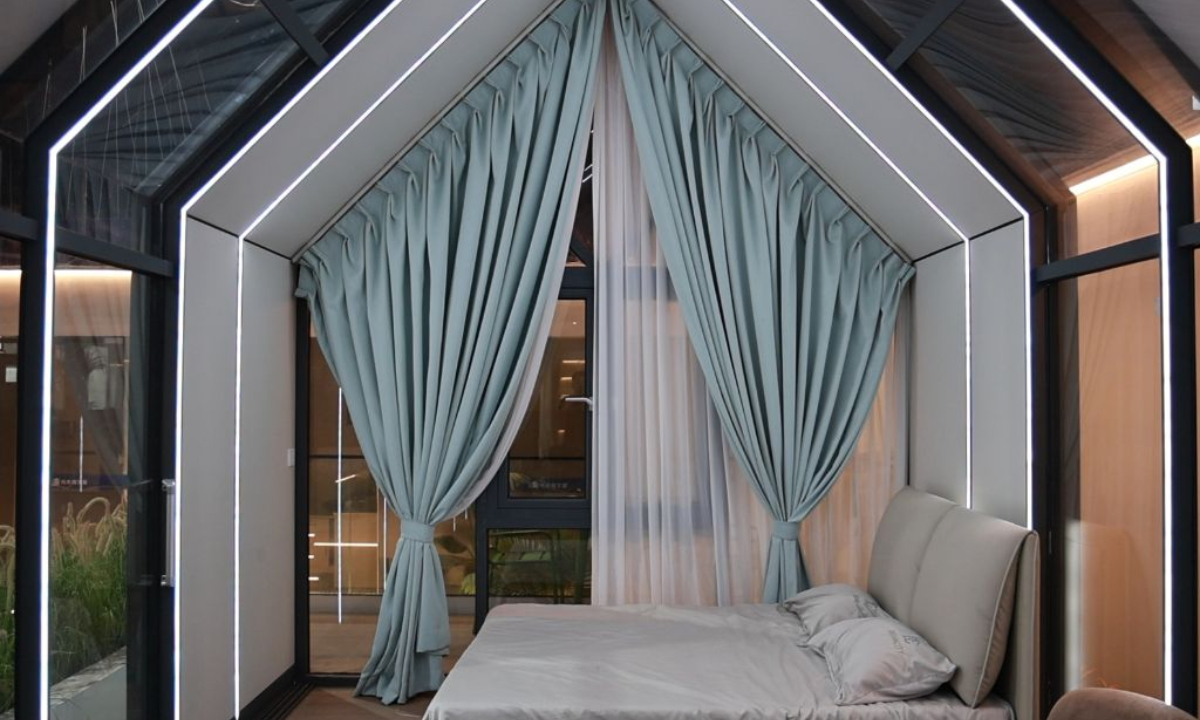
This photo taken on June 9, 2026 shows a modular room displayed at SunnyJoy Intelligent Technology Co., Ltd. in Foshan, south China's Guangdong Province. (Xinhua/Huang Guobao)
At a modular factory of China Construction Science & Technology Group Co., Ltd. in the Shenshan Special Cooperation Zone, laser cutting, automated welding and intelligent assembly work in coordination. A digital management system links design, procurement and production, generating material lists and processing drawings from design plans.
Its standardized production system can turn out a wall in 12 minutes and a room module in two hours. The facility has an annual capacity of up to 30,000 units and can produce different types of building modules in parallel according to project needs.
The expansion taking place on factory floors is also showing up in export figures. In the first half of this year, exports of prefabricated structures from seven cities under Guangzhou Customs reached 1.94 billion yuan (285.7 million U.S. dollars), up 21.2 percent year on year, with products reaching more than 190 countries and regions.
One modular-building producer said its export orders have risen nearly 60 percent year on year so far this year, with production scheduled several months ahead.
Manufacturers are also expanding their localized services overseas. SunnyJoy said it is working with third-party warehouses in markets including the United States and Australia to speed up deliveries.
For Chinese producers, the opportunity goes beyond shortening construction time. Their expansion overseas points to a broader shift: buildings are increasingly being designed, produced and exported more like manufactured goods.
。UEFI即统一可扩展固件接口,是传统BIOS的进化版,是一种PC系统规格,可扩展固件接口、负责加电自检(POST)、联系操作系统、提供连接操作系统与硬件的接口。TianoCore EDK2则是遵守UEFI规范的一个官方代码实现。代码合并有什么意义呢?一是开发者可以直接获取LA基础代码。合并后,开发者可以在开源社区直接获取LoongArch的基础支撑代码,从而直接编译LoongArch的外围驱动,无需再从龙芯获取开发环境。二是有助于LoongArch虚拟机开源。虚拟机代码开源以后,开发者或者用户可直接从EDK2社区拿到LoongArch虚拟机代码,编译成功后就可以在业界流行的通用处理器上直接运行LoongArch虚拟机固件,包括LoongArch、x86、x64、AARCH64等。

B | SMBIOS支持LoongArch后,龙芯中科已与多家设备厂家展开联合攻关,打通底层技术链,构建自主创新链。龙芯中科表示,未来将持续关注UEFI、EDK2动向,在TianoCore EDK2上持续贡献、优化LoongArch代码,使LoongArch在EDK2上的实现趋于完善。龙芯中科还计划将LoongArch部分物理机代码二进制化,更好地服务LoongArch生态开发和建设的公司和个人。
Current article:http://1bj.shengyaodanrongchui.buzz/zy6ex/20260826/4291.html
Published on:05:01:33